Do Solar Panels Work in Cloudy or Cold Weather?
Do Solar Panels Work in Cloudy or Cold Weather?

With people becoming more aware and responsible toward energy usage and its conservation, more and more of them are turning towards solar power. The clean energy source is a sustainable form of energy which has stirred a revolution in the energy domain.
This powerful energy is harnessed with the help of solar panels which capture this energy of photons and converts them into usable form of renewable energy. This energy is ideal to meet all of our energy related needs required to maintain our modern lifestyle, without putting undue pressure on the environment’s health. Solar panels work by converting the solar radiation into usable electrical energy, which can then be stored in photo-voltaic batteries for ready use or fed into the electric energy grid. It is worth mentioning here that the earth gets struck by plenty solar radiation everyday to adequately meet the energy needs for a whole year.
Nonetheless, it is a still a frequently asked question that whether the installation of solar panels in a cloudy or cold area a good idea, or if it will work well in such a climate.

We strive to provide best possible Solar powered home based solutions for the Melbourne citizens

To clear the cobwebs around this fairly understandable doubt, here is some insight on its working.

Do Solar Panels Work in Cloudy Weather?

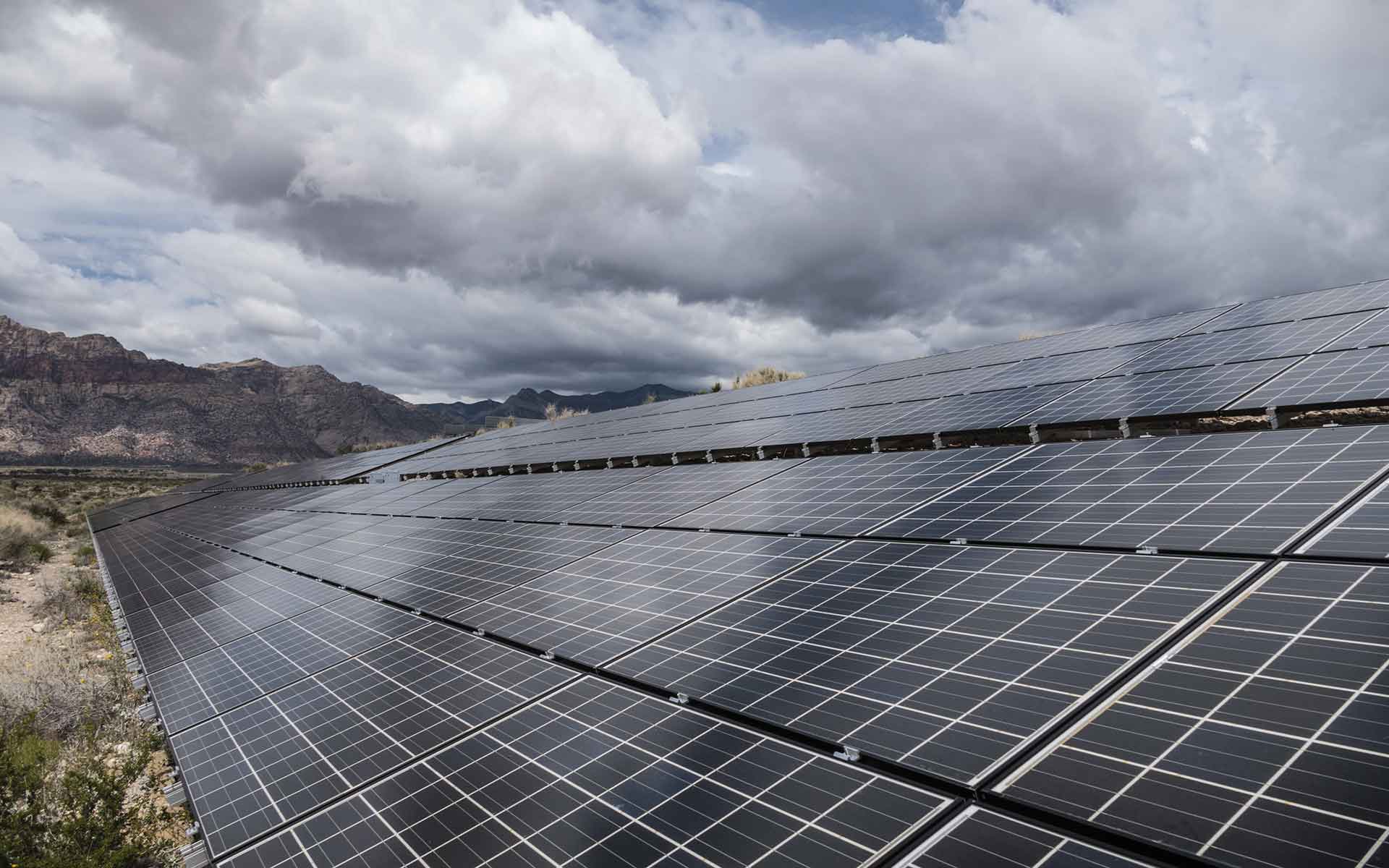
Although solar panels are not as efficient in cloudy weather as they are on bright and sunny days, it will still be unjust to not recognize their productivity in such conditions. Though at a reduced rate, solar panels are still capable of doing their job well. Depending upon the panels and the extent of cloud coverage, they are still able to produce about 10-25% of their usual rated capacity.

Do Solar Panels Work in Cold Conditions?

Most people are under the wrong impression that solar panels are inefficient in colder and cloudy regions or climate, but factually, even the the least sunny regions of the world have excelled in harnessing solar power. For example, Germany ranks quite low in receiving sunny days but today it is globally recognized as the world capital of solar energy with an estimated solar energy production accounting to 6.2-6.9% of the country’s total energy generation, in the year 2014. It is a popular misconception among people that solar panels are inefficient in cold weather condition.

Refuting this thought, solar panels have stood tested to prove they are more efficient in autumn and spring seasons when the climate is colder. This is because the panels are able to conduct energy more effectively at lower temperatures.

The only reason that summers are regarded as the best season for solar panels to function well is because of the higher measure of sunshine and lesser cloudy days during December to February and the longer days with more hours of light in the summer months.

What are Solar panels?

When you service all makes of turbine, all around the world, how do you make sure that safety standards are maintained at the highest level? It’s an important question – and when we talk to our customers about what’s most important to them competencies in renewable energy systems. IRecco’s extensive range of robust and reliable products backed by its cutting-edge R&D and more than two decades of expertise are designed to ensure optimum performance. Of course, it’s a given that all turbines live up to strict legislation, but that’s not really where the greatest safety challenge lies. If you look at the causes of incidents, more than 90% are caused by human behavior. That’s why we believe that keeping the highest safety record means creating a safety-first mindset.

The people I meet who service our turbines are special: They’re proud of what they do, and they take their jobs very seriously. It’s not an easy environment to work in. When you’ve experienced standing on the top of an 80m high turbine, swaying in the wind like a ship at sea, you really respect what they do. It takes a cool head and a lot of courage.

This powerful energy is harnessed with the help of solar panels which capture this energy of photons and converts them into usable form of renewable energy. This energy is ideal to meet all of our energy related needs required to maintain our modern lifestyle, without putting undue pressure on the environment’s health. Solar panels work by converting the solar radiation into usable electrical energy, which can then be stored in photo-voltaic batteries for ready use or fed into the electric energy grid. It is worth mentioning here that the earth gets struck by plenty solar radiation everyday to adequately meet the energy needs for a whole year.

Nonetheless, it is a still a frequently asked question that whether the installation of solar panels in a cloudy or cold area a good idea, or if it will work well in such a climate.

We strive to provide best possible Solar powered home based solutions for the Melbourne citizens

To clear the cobwebs around this fairly understandable doubt, here is some insight on its working.

Do Solar Panels Work in Cloudy Weather?

Although solar panels are not as efficient in cloudy weather as they are on bright and sunny days, it will still be unjust to not recognize their productivity in such conditions. Though at a reduced rate, solar panels are still capable of doing their job well. Depending upon the panels and the extent of cloud coverage, they are still able to produce about 10-25% of their usual rated capacity.

Do Solar Panels Work in Cold Conditions?

Most people are under the wrong impression that solar panels are inefficient in colder and cloudy regions or climate, but factually, even the the least sunny regions of the world have excelled in harnessing solar power. For example, Germany ranks quite low in receiving sunny days but today it is globally recognized as the world capital of solar energy with an estimated solar energy production accounting to 6.2-6.9% of the country’s total energy generation, in the year 2014.
It is a popular misconception among people that solar panels are inefficient in cold weather condition.

Refuting this thought, solar panels have stood tested to prove they are more efficient in autumn and spring seasons when the climate is colder. This is because the panels are able to conduct energy more effectively at lower temperatures.

The only reason that summers are regarded as the best season for solar panels to function well is because of the higher measure of sunshine and lesser cloudy days during December to February and the longer days with more hours of light in the summer months.
Solar energy hot water system

Solar energy hot water system

Has huge energy bill left you shocked or the damaged hot water system of your home has forced you to suffer cold baths daily? Well, it’s time to adjust the way you enjoy hot water. It is time you consider buying solar hot water system? But is installing a solar thermal system is a better investment than a heat or gas pump and in the future will it prove to be a money saver?

A top quality solar hot water system may be costly to buy but it can be a great way to lessen your energy bill and comes out cheaper in comparison with conventional techniques of electricity powered or gas heating techniques. Moreover, an element of the price can also be balanced out through certain rewards and discounts offered by the government.

So, what’s exactly is a solar thermal system and how does it work? Read on to find out.

Solar Hot Water System

Solar Hot Water System takes advantage of the ample of sunlight in Australia and uses this energy through residential solar installations to warm water for various household purposes. Depending upon the standard, a solar HWS can meet around 50–90% of your hot water requirements. The amount depends mostly on the local climate of the region and also on the model of the solar thermal system set up. Usually, these solar hot water techniques come equipped with an electric or gas enhancer which comprises for the additional hot water needs when required.

It comprises of solar collector sections with a storage containers. A family of four, typically requires around 4 sq. m or two sections of collector panels along with a 300–360L container. A bigger container maybe required for times with low sunlight conditions or higher hot water requirements.

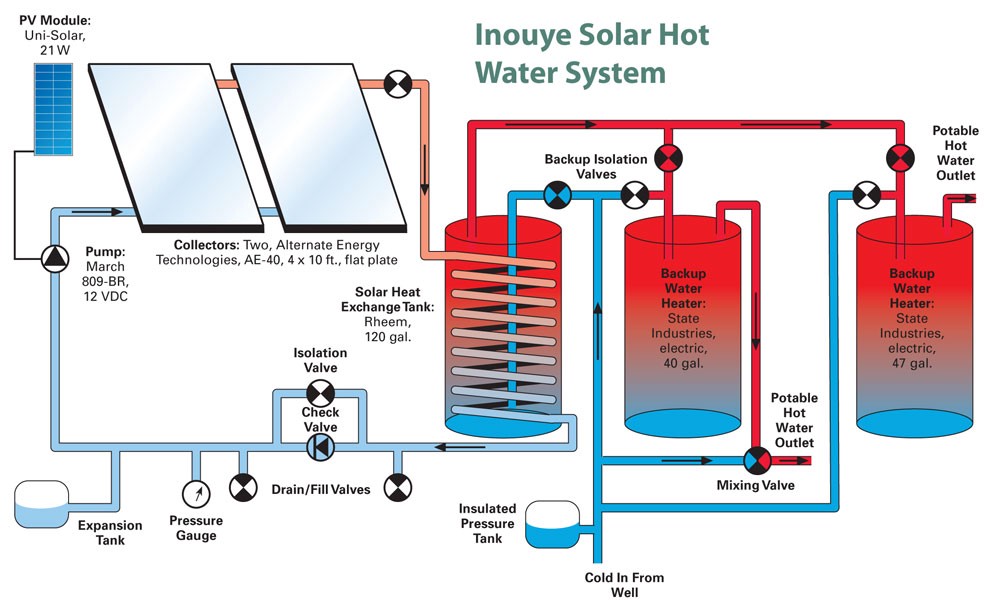
A Thermosiphon system comprises of collector solar panels and storage tanks, both situated on the house roof. As water warms up, in the panel, it becomes lighter and moves into the container rising up via thermosiphon effect.

Pumped or Split Systems include collector panels situated on the house’s roof, with the tank built on the lower or ground level of the building. Hot water is therefore circulated from the pumps, down to the container.

The sections should be placed in a north bound portion of the building, with no shade- or else their efficiency will decrease and you may need to set up a bigger collector place.

Collectors can be in the form of flat sections or that of cleared pipes. The latter are usually more efficient hence need smaller panel area. However, they are more expensive than the panel ones.

The storage space container of solar hot water system generally comes with a enhancer element that works on either gas or electric energy. It helps by keeping water hot even on days with low sunlight.

In regions that are vulnerable to snow development, solar panels can get ruined by frozen water. As a result it is necessary for you to set up residential solar panels that are snow resistant. Such sections make use of heat exchange liquid for warming the container itself rather than directly warming the water.

Solar Hot Water System can be on the pricey end as opposed to usual energy or gas based heat pumps and may need much time to be set up. However a carefully chosen Solar energy HWS can pay off the price easily in the future, due to its low running price.

Stay tuned for more and learn about the various other aspects of solar hot water systems including solar rewards and more.